Trusted Environmental Consulting in St Cloud
Sustainable Solutions: Skilled Environmental Consulting for Your Business
Sustainable solutions maintain essential importance in today's business environment. Professional environmental advisory equips businesses with the means to strengthen efficiency while reducing their ecological impact. By addressing sustainability concerns and legal standards, specialists assist businesses in embracing green initiatives. This shift supports not only the environment but also reflects the ethics of environmentally conscious consumers. The journey toward becoming sustainable, yet, is intricate and necessitates thoughtful analysis of many elements. What actions might companies pursue to commence this shift?
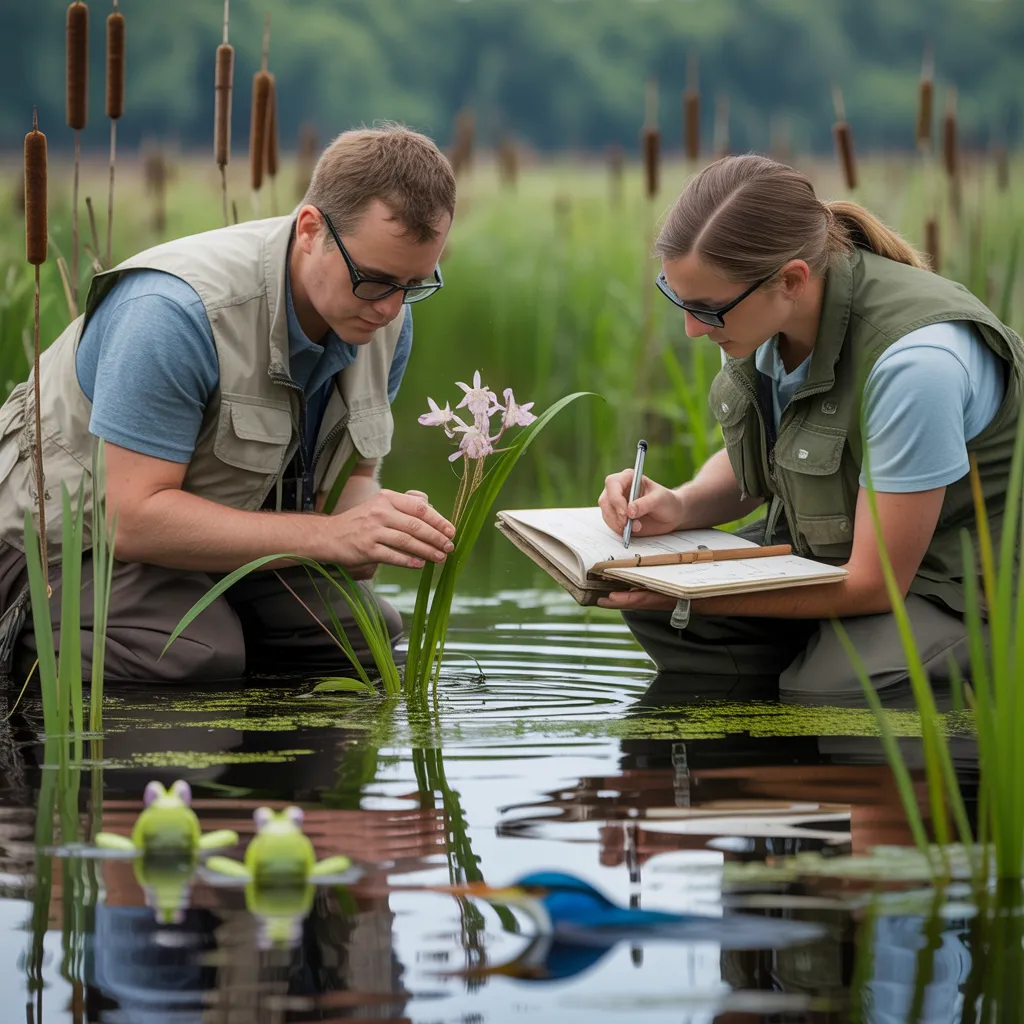
Comprehending Environmental Advisory and Its Benefits
Comprehending sustainability advisory services is critical for corporations planning to roll out sustainable approaches. This area of work demands knowledgeable guidance on environmental regulations, ecological strategies, and resource management. Environmental consultants analyze a company's operational activities to reveal sectors for progress, securing respect for ecological mandates and restricting ecological repercussions.
The advantages of hiring environmental consultants are substantial. They provide tailored solutions that improve operational effectiveness, reduce waste, and lower costs connected to resource consumption. By examining potential environmental concerns, consultants help businesses address liabilities and boost public perception. Additionally, the adoption of sustainable practices often leads to innovation and competitive edge in the marketplace.
Over the extended timeframe, collaborating with environmental consultants develops a culture of sustainability within enterprises, prompting employees to implement environmentally mindful behaviors. By leveraging their professional knowledge, businesses not only contribute to environmental protection but also establish themselves as leaders in organizational accountability, drawing in increasingly environmentally minded consumers.
Assessing Your Carbon Footprint
Assessing a company's environmental footprint involves identifying primary areas of impact and measuring rates of resource use. By analyzing these factors, organizations can pinpoint where improvements are necessary. This process not only supports sustainability but also enhances workplace productivity.
Recognizing Central Result Domains
Many companies overlook the critical importance of identifying key impact areas when assessing their environmental footprint. By pinpointing particular elements of their activities that lead to environmental degradation, companies can develop focused approaches for enhancement. These impact areas often encompass energy consumption, waste production, water use, and emissions. Understanding these elements allows enterprises to prioritize measures that yield the most substantial environmental benefits. In addition, engaging stakeholders in this identification process cultivates a sustainable culture within the entity. By recognizing and tackling these key critical zones, companies position themselves to enhance their overall ecological responsibility, lower expenses, and meet regulatory requirements. This proactive approach ultimately supports long-term environmental and financial sustainability.
Evaluating Resource Consumption Rates
Once primary focus areas are identified, the next step includes calculating resource consumption rates to evaluate the company's ecological impact. This procedure demands a systematic approach to collect information on energy, water, and material usage across all operations. Employing instruments like power assessments, liquid evaluations, and material tracking analysis can provide insights into usage trends. Organizations should also think about creating standards to measure against sector benchmarks or previous results. By examining these metrics, businesses can pinpoint inefficiencies and opportunities for reduction. Precise tracking not only helps in adherence with ecological laws but also enhances corporate sustainability strategies. This information-based method is crucial for making informed decisions that support lasting ecological objectives.
Core Regions for Responsible Enterprise Practices
Furthermore, companies can invest in sustainable power alternatives, including solar or wind, to reduce dependence on fossil fuels. Employee engagement in environmental initiatives fosters a environment of accountability, driving creative solutions and dedication to eco-friendly practices. Finally, open disclosure on environmental targets and achievements strengthens stakeholder trust and shows accountability. By integrating these core areas, companies not only contribute to environmental preservation but also establish themselves as pioneers in business ethics, appealing to increasingly environmentally aware consumers.
Finding the Perfect Eco Specialist for You
Assessing an environmental consultant requires a explicit awareness of a business's specific needs and goals. Analyzing these criteria enables institutions to align with consultants who possess the relevant expertise and experience. This intentional methodology validates that businesses determine prudently for ecological answers.
Evaluating Your Business Requirements
When enterprises value the importance of green practices, they often face the obstacle of discovering the right environmental consultant to meet their specific needs. This journey launches with a meticulous assessment of the institution's environmental goals, legal mandates, and prevailing methods. Entities should consider their market segment, extent of operations, and unique difficulties, such as waste management or operational efficiency. Assembling various stakeholders across the organization can supply valuable insights into the priorities and expectations of the professional advisory. Additionally, it is crucial to define the scope of services sought, including but not limited to regulatory adherence, strategy development, or training. By specifically stating these concerns, enterprises can streamline the procurement process and assure a more productive collaboration with their designated consultant.
Assessing Consultant Abilities
How can businesses ensure they select the appropriate environmental consultant? Assessing consultant knowledge involves several key considerations. Initially, organizations should assess the consultant's qualifications, encompassing pertinent certifications, training, and experience in particular environmental fields. Subsequently, examining previous projects and client references offers understanding into the consultant's effectiveness and reliability. Additionally, comprehending their approach to sustainability—whether they emphasize innovative solutions or regulatory adherence—is essential. Interpersonal abilities also serve a important role; a consultant must clearly communicate complex information to various interested parties. Ultimately, consider the consultant's commitment to ongoing education and staying updated on environmental regulations and innovations. Through carefully reviewing these aspects, organizations can make informed decisions and pick a consultant most matched to their unique requirements.
Develop Your Personalized Environmental Strategy
A well-crafted sustainability plan can substantially enhance a business's environmental impact and operational efficiency. This process starts with a in-depth assessment of the firm's current operations, identifying sections where improvements can be made. Key stakeholders should be involved in this appraisal to ensure multiple insights are considered.
Subsequently, distinct, quantifiable goals must be created. These targets should align with the overarching objectives of the organization while tackling environmental challenges such as waste reduction, operational efficiency, and resource conservation.
Additionally, it is necessary to employ forward-thinking methods suited to the unique challenges of the industry. Connecting with qualified environmental advisors can impart pertinent information into optimal approaches and state-of-the-art solutions.
Ultimately, a strong communication approach can develop a culture of environmental responsibility within the organization, verifying that all employees know their contributions in accomplishing these goals. This unified approach ultimately positions the business as a sustainability champion.
Executing Environmentally Responsible Initiatives Proficiently
Effective deployment of green practices requires a well-planned strategy that emphasizes clarity and purpose. Businesses must first set up clear objectives, identifying particular environmental commitments in line with their overall mission. This involves engaging stakeholders, including employees and suppliers, to cultivate a culture of sustainability throughout the organization.
Next, enterprises should distribute funds effectively, guaranteeing that the required technologies, training, and tools are in place to promote environmentally responsible operations. Consistent interaction is critical, as it keeps all stakeholders informed and motivated.
Moreover, incorporating sustainability into existing processes can enhance efficiency and reduce resistance to change. By piloting initiatives, businesses can determine feasibility and refine approaches before widespread deployment.
Ultimately, a committed management group, combined with clear procedures and continuous involvement, can greatly enhance the effectiveness of sustainable solutions, resulting in long-term benefits for both the organization and the environment.
Assessing Your Sustainability Results
What methods can companies use to document their environmental progress proficiently? Enterprises can employ a assortment of tools and metrics to measure their environmental footprint and developments. One common tactic is the embrace of performance indicators that emphasize on energy usage, waste elimination, and carbon footprint. By establishing clear milestones, firms can assess their improvements over time.
Additionally, software solutions that monitor resource consumption and emissions can render real-time data, enabling well-considered decision-making. Scheduled sustainability audits are likewise essential, helping organizations firms to uncover areas for enhancement and copyright compliance with environmental regulations.
Involving stakeholders via questionnaires and response systems can further enrich the monitoring system, fostering a environment of responsibility and ongoing advancement. Ultimately, a structured methodology to monitoring environmental advancement enables businesses to make informed adjustments and showcase their commitment to environmental stewardship.
Common Questions Posed
What Price Range Should Companies Expect for Environmental Assessment Services?
Environmental consulting pricing for description businesses commonly range from $100 to $300 per hour, contingent on the firm's capabilities and project demands. Flat-rate fees may apply, adjusting in relation to services needed and duration.
Which Certifications Ought to I Look for in an Eco-Consultant?
In selecting an environmental consultant, one must identify certifications such as Certified Environmental Professional (CEP), ISO 14001, or LEED accreditation, as these indicate expertise and dedication to eco-conscious practices within environmental management.
Will Small Businesses Realize Gains in Environmental Advisory Services?
Yes, small businesses can greatly profit from ecological consulting support. These services help optimize resource use, cut waste, improve compliance with regulations, and promote comprehensive sustainability practices, ultimately delivering budget reductions and a better public image.
How Frequently Should I Update My Environmental Strategy?
Revising a green initiative should occur each year or every two years, subject to market transformations and company expansion. Routine assessments assure alignment with shifting legal standards, client interests, and modern innovations, enabling perpetual advancement and enhanced environmental performance.
Which Business Fields Benefit the Most From Environmental Professional Services?
Industries including manufacturing, construction, energy, and agriculture gain considerable advantage from environmental professional consultation. These sectors regularly confront legal requirements, resource control difficulties, and sustainability targets that require expert guidance to strengthen their environmental standards and compliance.